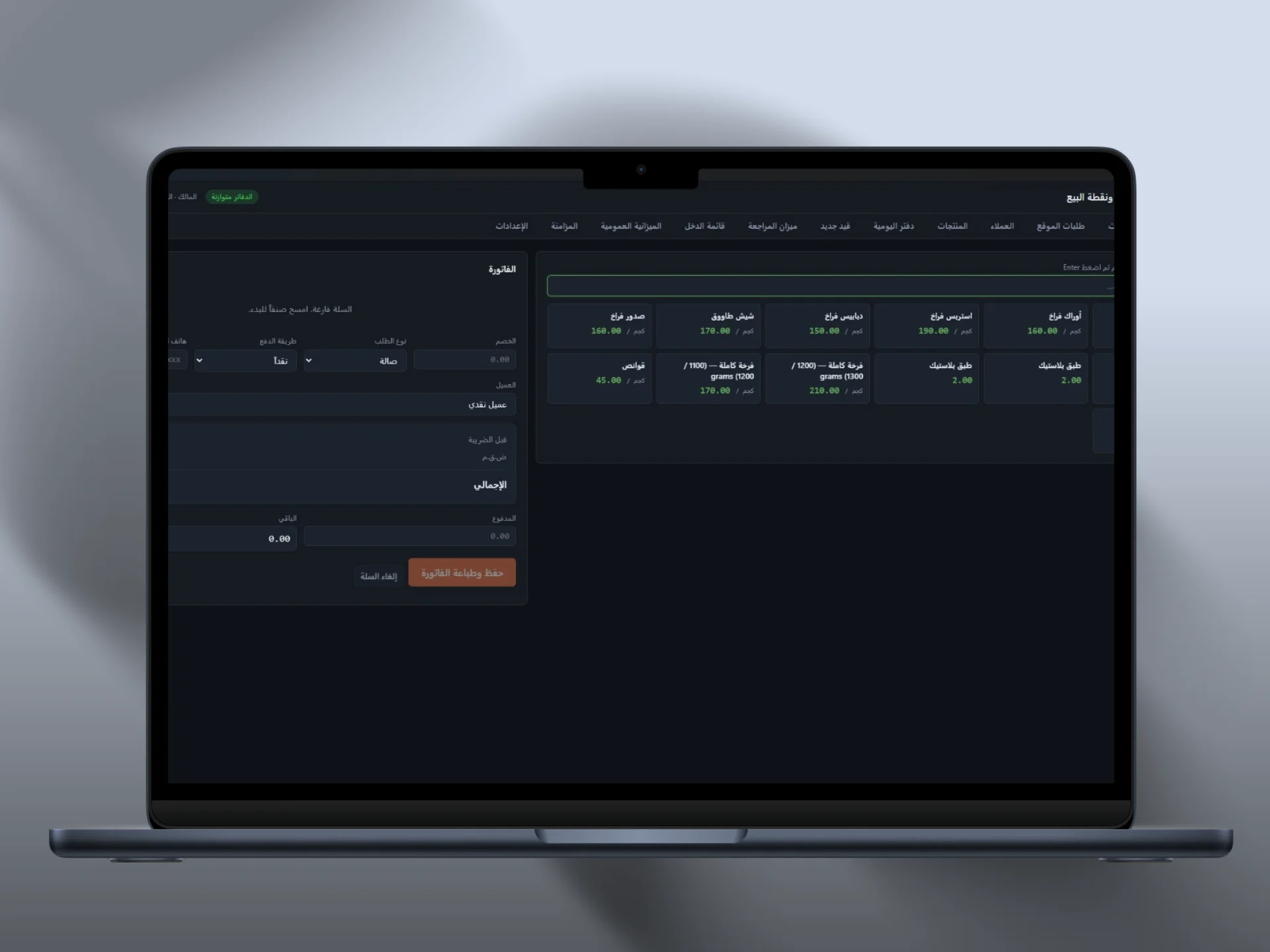
The Brief
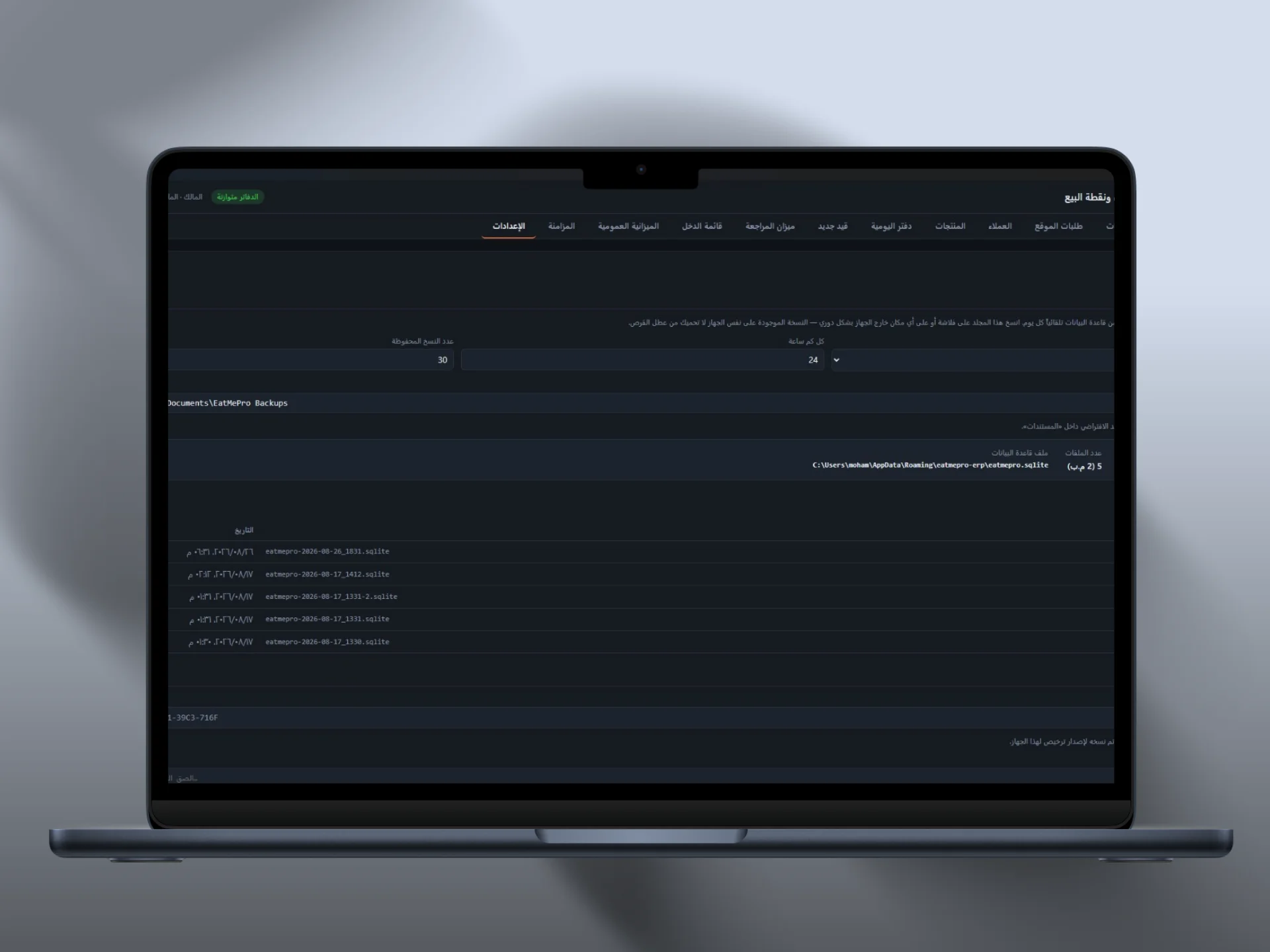
EatmePro came to us with a straightforward pitch: they had a product catalog, a supplier network, and an online presence, but now since they are opening a shop in real life. They wanted a way to connect what is on the website with their system and process online orders in one place, they also said they've acquired a barcode scanner and would like to use it in the store. The ask was simple — build something that collects everything one place.
What made this interesting wasn't the tech stack. WooCommerce is WooCommerce. What made it interesting was the constraint: Can REST API be reliable to provide the data and be synced instantly with the ERP? How do we secure the connection between the phsyical store and online? How will we deal with edge cases?
That constraint shaped every decision we made.
What We Built
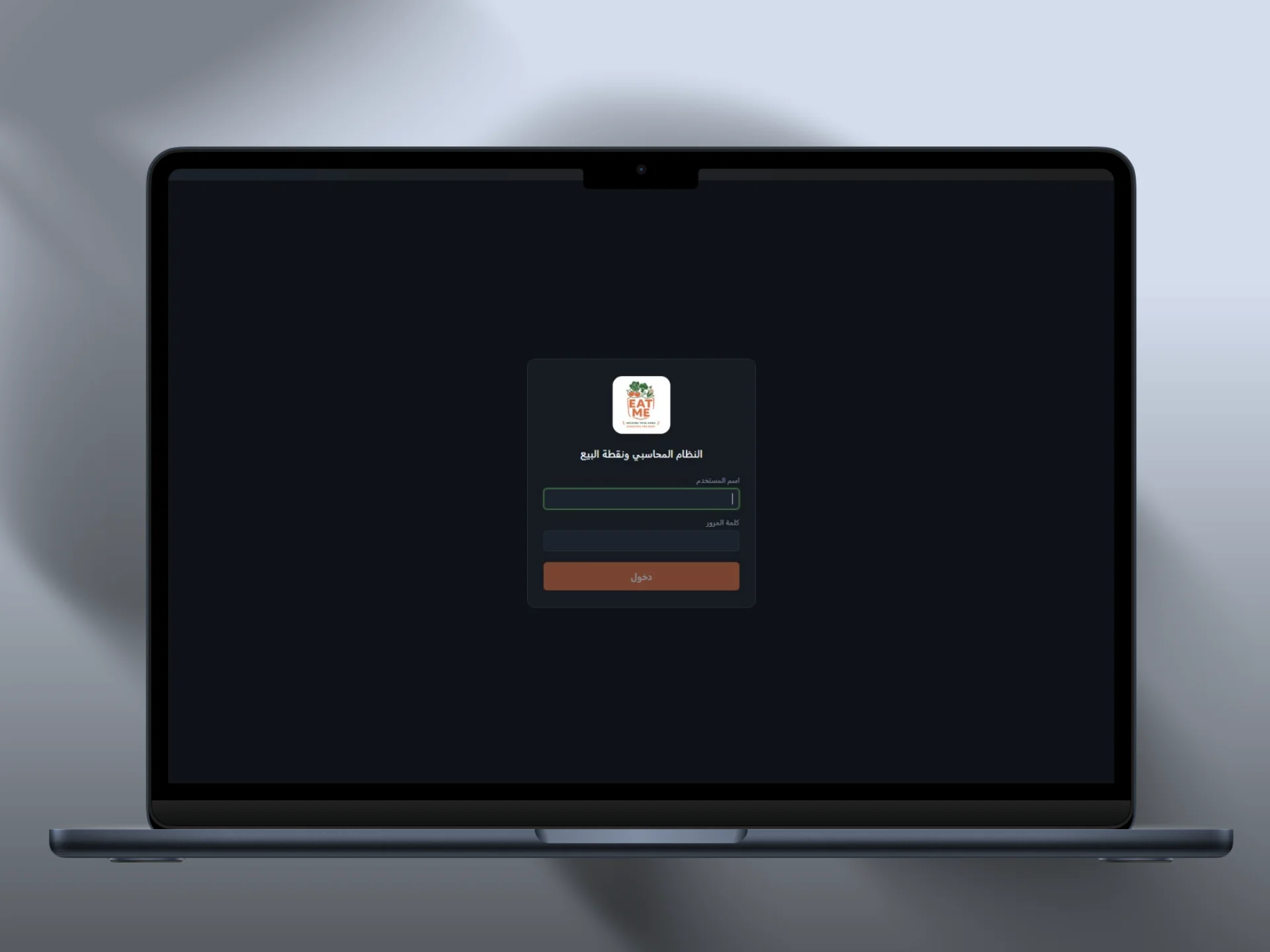
The core stack was Electron + React + SQLite, and we started to design around the constraints thinking about what the store actually needed:
- Offline-first, not offline-tolerant — full accounting (payroll, cash journal, assets, expenses) runs with zero internet dependency, since local SQLite is the source of truth, not a cache of some cloud service. Big deal given the client explicitly doubted reliable internet at the shop.
- One system instead of stitched-together tools — replaces a paid WooCommerce POS plugin + separate accounting spreadsheet + separate printing setup with a single app.
- Real double-entry bookkeeping, not data-entry forms — reports (Income Statement, Balance Sheet, Cash Flow, aging) are derived from the ledger, matching Egyptian accounting/tax conventions.
- Website and shop stay in sync without double-entry — WooCommerce orders auto-post into the same ledger a till sale would, with COD correctly booked as a receivable (not cash) until the courier settles.
- Money integrity guardrail — the app never re-derives or overwrites what WooCommerce/the customer was charged; corrections are always reversals, never edits, which protects against accounting drift.
- Native printing — receipts, labels, and delivery notes print directly via Electron/Node, no bridge software or extra subscription.
- Arabic/RTL native, not bolted on — Electron's Chromium base makes this straightforward rather than a workaround.
- Lower ongoing cost — no recurring POS plugin license, and licensing is a one-time signed/machine-bound scheme with lease-based renewal.
Outcome
The ERP was shipped to client, no issues found and the client is overall very happy.